Discover the True Cost of Levothyroxine and Save Money on Your Prescription Today

Discover the financial aspects of managing your thyroid health. This section provides comprehensive insights into the expenses associated with your essential medication. Our goal is to equip you with the knowledge to make informed decisions regarding your healthcare budget.
Understanding the investment in your well-being is crucial. Explore various factors that influence the price, including brand options, dosage levels, and pharmacy locations. By staying informed, you can find the most cost-effective solutions without compromising on quality.
Empower yourself with the information needed to navigate the complexities of medication pricing. Our detailed guide will help you compare options, seek discounts, and ultimately, manage your health expenses efficiently.
Understanding the Cost of Levothyroxine
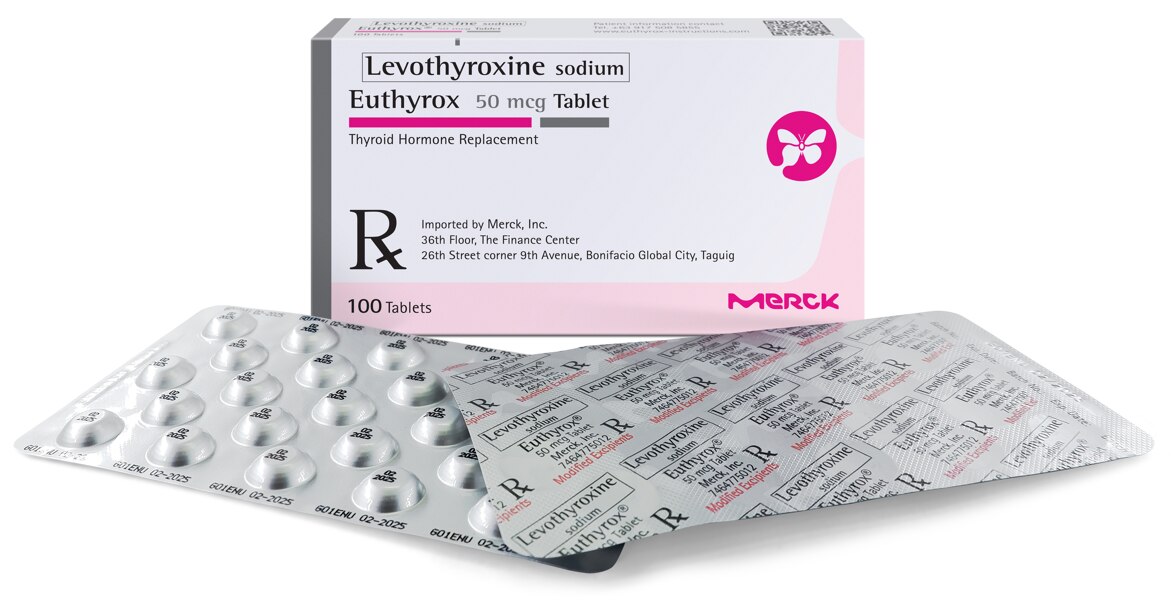
When it comes to managing thyroid conditions, it’s essential to be aware of the financial aspects associated with treatment. Various factors can influence the expenses tied to obtaining necessary medications. By exploring these elements, patients can make informed decisions and find ways to manage their budgets effectively.
Factors Influencing Medication Prices

The price of thyroid hormone replacement therapy can be affected by multiple variables. These include the choice of pharmacy, geographical location, insurance coverage, and whether a generic or brand-name version is prescribed. Each of these factors can play a significant role in the overall expense.
Pharmacy Selection: Different pharmacies may offer varying prices for the same prescription. It’s advisable to compare prices at multiple locations, including local and online options, to find the most affordable choice.
Geographical Variation: The region where the medication is purchased can impact its price. Urban areas might have different pricing structures compared to rural locations. Understanding these differences can help in planning and budgeting for treatment.
Insurance and Financial Assistance
Insurance plans often cover a portion of medication costs, but the extent of this coverage can differ. Reviewing your insurance policy to understand co-pays and any restrictions is crucial. Additionally, patient assistance programs may be available to help reduce out-of-pocket expenses for those who qualify.
For individuals without insurance, seeking generic versions of the medication can be a cost-effective alternative. Generics are typically less expensive while offering the same therapeutic benefits as their brand-name counterparts.
In summary, navigating the expenses associated with thyroid treatment requires careful consideration of various factors. By staying informed and exploring different options, patients can find strategies to make their treatment more affordable.
Factors Affecting Levothyroxine Prices
The pricing of thyroid hormone replacement medication can be influenced by a multitude of variables. Understanding these elements can help consumers make more informed decisions when purchasing their prescriptions. Let’s explore the key factors that play a role in determining the price of this essential medication.
Manufacturing and Production Costs
One significant factor is the cost of manufacturing and production. This includes the expenses related to the raw materials, quality control, and labor involved in creating the medication. Higher production costs can lead to increased prices for the final product.
- Raw Materials: The availability and cost of the active and inactive ingredients.
- Quality Control: Stringent testing and standards to ensure the medication’s efficacy and safety.
- Labor: The cost associated with the workforce required to produce and package the medication.
Market Dynamics
The dynamics of the pharmaceutical market also have a considerable impact. This encompasses the competition between generic and brand-name versions, as well as the influence of pharmaceutical companies and regulatory bodies.
- Generic vs. Brand-Name: Generic versions tend to be less expensive than their brand-name counterparts due to reduced research and development costs.
- Pharmaceutical Companies: Different companies may set varying prices based on their market strategy and cost structures.
- Regulatory Impact: Government regulations and approvals can affect the pricing and availability of the medication.
In conclusion, the price of thyroid hormone replacement therapy is shaped by a complex interplay of production costs and market conditions. By understanding these factors, patients and healthcare providers can better navigate the pharmaceutical landscape and make more cost-effective choices.
Comparing Prices at Different Pharmacies
When it comes to purchasing medication, it’s essential to be aware of the varying price points available at different pharmacies. By exploring options, you can ensure that you receive the best value for your money without compromising on quality. This section provides an overview of price comparisons across multiple pharmacies, helping you make an informed decision.
| Pharmacy A | $10 – $20 | Offers discounts with membership |
| Pharmacy B | $15 – $25 | Free delivery for orders over $50 |
| Pharmacy C | $12 – $22 | Price matching available |
| Pharmacy D | $14 – $24 | Additional savings with coupons |
By reviewing this table, you can quickly identify which pharmacy offers the most competitive prices and the best additional benefits. Remember to consider any membership programs, delivery options, and other savings opportunities that can further reduce your overall expenditure.
Insurance Coverage for Levothyroxine
Understanding how your health insurance plan interacts with prescription medications is crucial for managing your health expenses. This section provides insights into how different insurance policies might cover thyroid hormone replacement therapies. By exploring the common scenarios and variations in coverage, you can better navigate your options and minimize out-of-pocket expenses.
Types of Health Insurance Plans
Health insurance plans vary significantly in terms of their coverage for prescription drugs. Private insurance plans, including employer-sponsored health benefits, often include prescription drug coverage as part of their standard offerings. However, the specifics can differ, with some plans covering a higher percentage of medication costs, while others may require a substantial co-payment.
Government-sponsored programs, such as Medicare and Medicaid, also offer prescription drug benefits, though the extent of coverage can depend on the specific program and the state in which you reside. Medicare Part D, for example, is a popular choice for seniors, providing coverage for various medications, but the level of support can vary based on the plan selected.
Factors Affecting Coverage
Several factors influence how your insurance covers prescription medications. Formulary inclusion is a key aspect, as insurers maintain a list of approved drugs. Medications listed on the formulary are typically covered, though there might be tiered pricing, meaning some drugs cost more than others.
Another consideration is whether a medication is classified as a generic or a brand-name drug. Generic versions are often more affordable and more likely to be fully covered by insurance plans. Prior authorization requirements and quantity limits are additional factors that can impact coverage and costs.
It’s essential to review your specific insurance policy details or consult with your insurance provider to understand the extent of your coverage for thyroid hormone replacement therapies. This will help you plan better and ensure that you receive the necessary medication without unexpected expenses.
Saving on Levothyroxine: Discounts and Coupons
When managing long-term health conditions, the expenses for medication can add up. Fortunately, there are numerous ways to reduce the financial burden associated with purchasing essential thyroid medication. By utilizing various discounts and coupons, you can significantly lower your out-of-pocket costs.
Here are some tips and resources to help you find the best deals:
| Pharmacy Discount Programs | Many pharmacies offer discount programs for a variety of medications. These programs can provide significant savings and sometimes even free prescriptions. | Check levothyroxine price |
| Manufacturer Coupons | Pharmaceutical companies often provide coupons for their medications. These can be found on the manufacturer’s website or through your healthcare provider. | Check levothyroxine price |
| Online Coupon Websites | Websites dedicated to offering medical discounts and coupons can be an excellent resource. These platforms aggregate deals from various sources. | Check levothyroxine price |
| Insurance Coverage | Check with your insurance provider to see if they offer any special deals or discounts for your thyroid medication. | Check levothyroxine price |
| Assistance Programs | There are various assistance programs available for those who qualify, which can significantly reduce the cost of medication. | Check levothyroxine price |
By exploring these options, you can find substantial savings on your medication. It’s always worth discussing with your pharmacist or healthcare provider to ensure you’re getting the best possible price.
Generic vs. Brand-Name Levothyroxine: Cost Differences
When considering medications, it’s essential to understand the distinctions in pricing between generic and brand-name versions. This section delves into the factors contributing to the cost variations, providing a comprehensive overview to help make informed decisions regarding pharmaceutical purchases.
Understanding the Pricing Factors
Several elements influence the pricing of generic and brand-name drugs. Here, we break down the primary aspects that contribute to these differences:
- Research and Development: Brand-name drugs typically include significant R&D expenses, which are reflected in their higher prices. Generics, on the other hand, bypass these costs, having benefited from the original research.
- Marketing and Advertising: Brand-name medications often involve extensive marketing campaigns, increasing their overall cost. Generic versions usually don’t require such extensive promotion.
- Regulatory Approvals: While both drug types undergo rigorous testing, brand-name drugs bear the initial high costs of approval processes, whereas generics only need to demonstrate bioequivalence.
Price Comparison and Consumer Choice
Choosing between a generic and a brand-name product can significantly impact your budget. Here are some points to consider:
- Insurance Coverage: Many insurance plans favor generics, offering them at lower co-pays, which can make a substantial difference in out-of-pocket expenses.
- Availability: Generics are widely available, providing accessible options for consumers, while brand-name drugs may be limited in certain regions.
- Therapeutic Equivalence: Generics are required to meet stringent standards to ensure they are as effective as their brand-name counterparts, making them a viable alternative for most patients.
In summary, understanding the cost dynamics between generic and brand-name medications can empower consumers to make cost-effective and health-conscious choices. By considering the factors outlined above, individuals can navigate their options more effectively, ensuring both financial and therapeutic satisfaction.
Online Pharmacies: Pros and Cons for Levothyroxine Purchases
Exploring the realm of online pharmaceutical options unveils a myriad of advantages and drawbacks when it comes to acquiring essential medications like synthetic thyroxine. These digital marketplaces offer convenience and accessibility, but also raise concerns regarding quality, authenticity, and regulatory compliance.
On one hand, the allure of virtual pharmacies lies in their convenience. With just a few clicks, individuals can procure their prescribed medications from the comfort of their homes, bypassing the need for physical visits to traditional brick-and-mortar pharmacies. This streamlined process saves time and effort, particularly for those with busy schedules or limited mobility.
However, this convenience comes with its own set of risks. One of the primary concerns is the authenticity and quality of the medication being purchased. Without the direct oversight of a licensed pharmacist or healthcare professional, there’s a potential for receiving counterfeit or substandard products. This poses a significant threat to one’s health, especially when dealing with critical medications like synthetic thyroxine, where dosage precision is paramount.
Moreover, the lack of face-to-face interaction with a pharmacist means limited opportunities for personalized consultation and guidance. While some online pharmacies may offer remote consultations, the depth and quality of these interactions can vary widely, potentially compromising the patient’s understanding of their medication regimen and any associated risks or side effects.
Another consideration is the regulatory landscape surrounding online pharmacies. While many operate within the bounds of legal frameworks, others may skirt regulations or operate in jurisdictions with lax oversight. This poses challenges in ensuring compliance with safety standards and may expose consumers to legal and health risks.
In conclusion, while online pharmacies offer unparalleled convenience, particularly for purchasing medications like synthetic thyroxine, it’s essential for consumers to weigh the pros and cons carefully. Vigilance, research, and adherence to reputable platforms are crucial in safeguarding one’s health and ensuring a positive pharmaceutical experience.